Lymphoedema Management & Combined Decongestive Therapy
The Gold Standard Treatment for Acute Lymphoedema.
Combined Decongestive Therapy is the Gold Standard for Lymphoedema Management. Here’s why:
Managing lymphoedema in the arms, legs, or other areas can sometimes involve periods of increased swelling where your standard compression garment no longer fits comfortably. While it may feel tempting to discontinue use during these fluctuations, maintaining some form of support is vital. Abruptly stopping compression can often lead to further volume increases that are more difficult to manage.
The Compounding Effect of High Protein Oedema
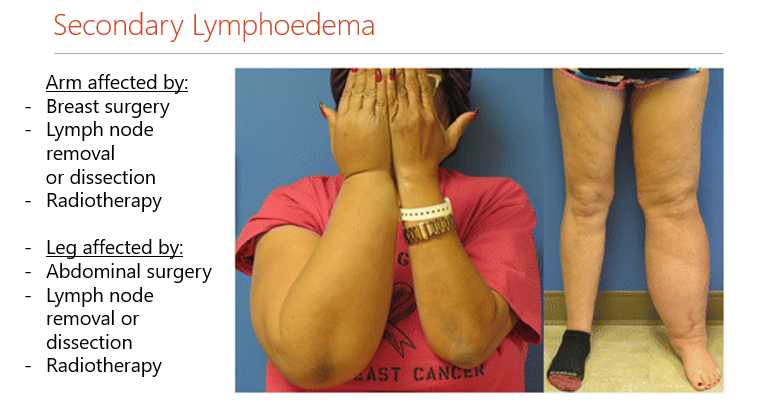
Lymphoedema is characterized by a build-up of protein-rich fluid. When the lymphatic system is compromised, these proteins can remain in the tissue, naturally attracting further fluid. Consistent therapy and compression are key to managing this cycle. Early intervention is recommended to support tissue health and reduce the risk of secondary complications like skin changes or infection.
Managing a Lymphoedema Flare-up
If you experience a significant increase in swelling (often referred to as a flare-up), early intervention is important to help stabilize the area and support tissue health.
Seek Medical Advice: If you are unsure of the cause of your sudden swelling, your first step should be a consultation with your medical practitioner to rule out underlying issues.
The Reduction Phase: A qualified lymphoedema practitioner can assist with the ‘reduction phase’ of Combined Decongestive Therapy (CDT). This typically involves a series of Manual Lymphatic Drainage (MLD) sessions followed by the application of multi-layer compression bandaging.
The Process: Bandaging is generally worn for several days between treatments. This cycle continues with the goal of reducing limb volume to a manageable baseline.
Our Compression Systems: We frequently utilize the Rosidal TCS 2-layer system. This self-adhesive system is designed for patient comfort and breathability, and can often be worn with adjustable footwear.
Skin Protection: The soft inner foam layer is cotton-lined to support skin integrity.
Reliable Compression: The outer layer is latex-free and designed to remain securely in place, even on uniquely shaped limbs where traditional short-stretch bandages may shift.
Consistent Application: Utilizing ‘safe-loc’ technology, these bandages are applied at a specific tension to help ensure consistent and appropriate compression levels.
- What to bring to your Bandaging Appointment:
Be sure to wear loose clothing and bring adjustable shoes that will allow for an extra 1cm of layers over the skin, more if compression wraps are being fitted.
BOOK NOW

Why trust Massage Yeah with my Lymphoedema Management Therapy ?
Our fully qualified lymphoedema therapist trained with Vodder International in all aspects of Combined Decongestive Therapy. Vodder are world-renowned for producing therapists of the highest standard in manual lymphatic drainage and combined decongestive therapy. Brigitte is a member of the Australasian Lymphology Association and is listed on the National Lymphoedema Practitioner Register. She is also certified in lymphatic taping and is experienced in measurement of various compression garments. BOOK NOW

Supporting Your Reduction Phase Between Appointments
During the reduction phase, there are several ways you can support your clinical progress at home:
Prescribed Exercises: You will be provided with specific lymphatic exercises designed to encourage fluid movement. Generally, mild to moderate activity is recommended to assist the “pumping” action of the muscles.
Maintaining Compression: For best results, it is recommended to keep your bandaging in place as directed by your therapist, typically only removing it for bathing.
Self-Management: If appropriate for your care plan, your therapist can demonstrate self-bandaging techniques to help you maintain consistent compression between clinic visits.
Bandage Care: While systems like Rosidal TCS are designed for single use, some components may be reapplied if they remain clean and retain their elastic properties. Your therapist can guide you on when to replace specific layers to ensure the compression remains effective.
Contingency Planning: It is helpful to keep a secondary compression garment available for unexpected situations. If you are unable to maintain your bandaging for any reason, please contact the clinic to discuss an earlier appointment.
The CDT Approach: Research suggests that Combined Decongestive Therapy (CDT) is most effective when Manual Lymphatic Drainage is integrated with consistent compression.
Skin Integrity: Maintaining healthy skin is a key component of lymphoedema management. Keeping skin hydrated and addressing areas like cracked heels helps support the skin’s natural barrier against infection.
Lifestyle Factors: Many clients find that an anti-inflammatory nutritional approach, such as the RAD (Restructuring Adipose Tissue) diet, complements their physical therapy.
Transitioning to the Maintenance Phase
Once the reduction phase is complete, we move into the Maintenance Phase of your care:
Re-assessment: We will evaluate your current compression garments to ensure they still provide the correct fit and pressure for your reduced limb volume. We can provide updated measurements for new garments if required.
Long-term Management: While lymphoedema is a chronic condition, a proactive management plan aims to keep the swelling stable.
Sustainable Routine: Best practice involves making gentle exercise, meticulous skin care, and regular lymphatic drainage sessions a consistent part of your long-term wellness routine.
BOOK NOW

What Financial Support can I get towards Combined Decongestive Therapy ?
There are various schemes Australia wide which subsidise lymphoedema compression garments. In Queensland chronic lymphoedema sufferers are eligible for two compression garments every six months. You can view the Australian schemes that subsidise compression garments for lymphoedema on the Australasian Lymphology Association website. You’ll also find links there about eligibility in all states of Australia. Massage Yeah offer HICAPS and receipts for Combined Decongestive Therapy and Lymphatic Drainage under the category of Remedial Massage.
Important Disclaimer & Consumer Information Regarding our Lymphatic Services